What is tanning
Tanning means your skin becomes darker, dull, or uneven after being exposed to sunlight.
It’s not just “color change” — it’s actually your skin protecting itself.
It mainly happens on
- Face
- Hands
- Neck
What really happens inside your skin
1. Sunlight hits your skin
Sunlight contains UV rays (Ultraviolet rays):
- UVA → causes aging and dullness
- UVB → causes burning and tanning
When you go outside, these rays enter your skin.
2. Skin feels “danger”
Your skin thinks:
I’m getting too much sunlight — I need protection
So it activates special cells called melanocytes.
3. Melanin production increases
Melanocytes produce a pigment called melanin.
Melanin = the thing that gives your skin its color
- More melanin → darker skin
- Less melanin → lighter skin
4. Melanin spreads on skin
This melanin moves to the upper layer of your skin and forms a protective shield.
It tries to block UV rays from damaging deeper skin layers.
5. You see tan (outer result)
Now your skin looks:
- Darker
- Slightly rough
- Less glowing
That is tanning
Why does tanning reduce glow
Because:
- Dead skin cells build up
- Skin becomes dry
- Natural oil balance changes
- Light doesn’t reflect well from your skin
Is tanning permanent?
No, it is not permanent
Why?
- Your skin naturally renews every 3–4 weeks
- Old tanned skin cells slowly go away
How tan is removed naturally (body process)
- Skin creates new cells
- Old tanned cells start shedding
- New fresh skin appears
- Slowly your original color returns
How to remove tan faster
Daily basics:
- Wash face gently (2 times a day)
- Use moisturizer
- Drink enough water
Most important step (don’t skip)
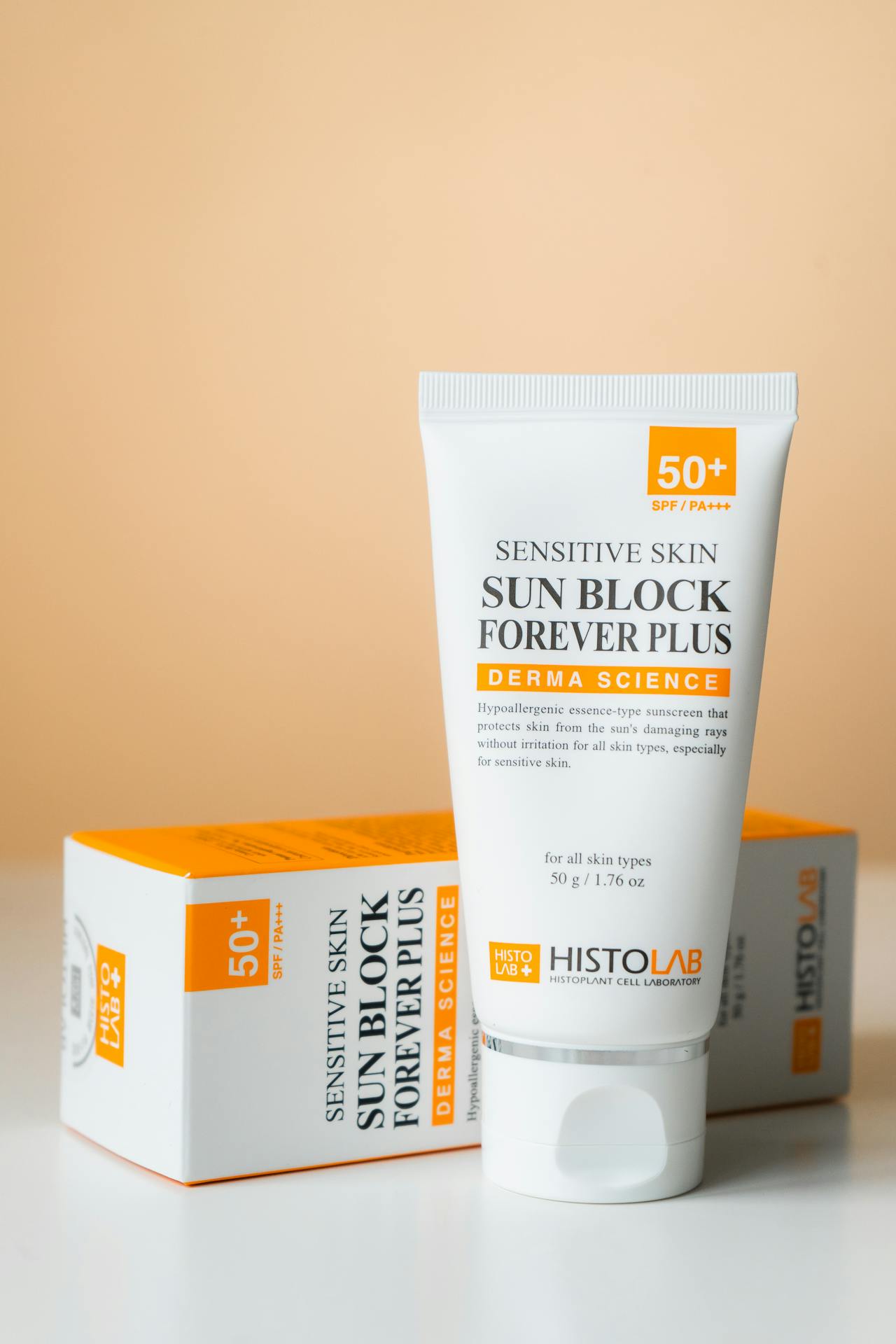
Sunscreen
- Use SPF 30 or 50
- Apply before going out
- Reapply every 2–3 hours
Important truth
Tanning is not “bad” — it’s your body protecting you.
But too much sun can:
- Damage skin
- Reduce glow
- Cause long-term issues
Simple summary
- Sunlight → UV rays hit skin
- Skin produces melanin
- Skin becomes darker (tan)
- With care, skin returns to normal